
The complete guide
How to Choose an Extra Large Toy Chest That Actually Keeps a Room Tidy
The real problem is not mess, it is capacity
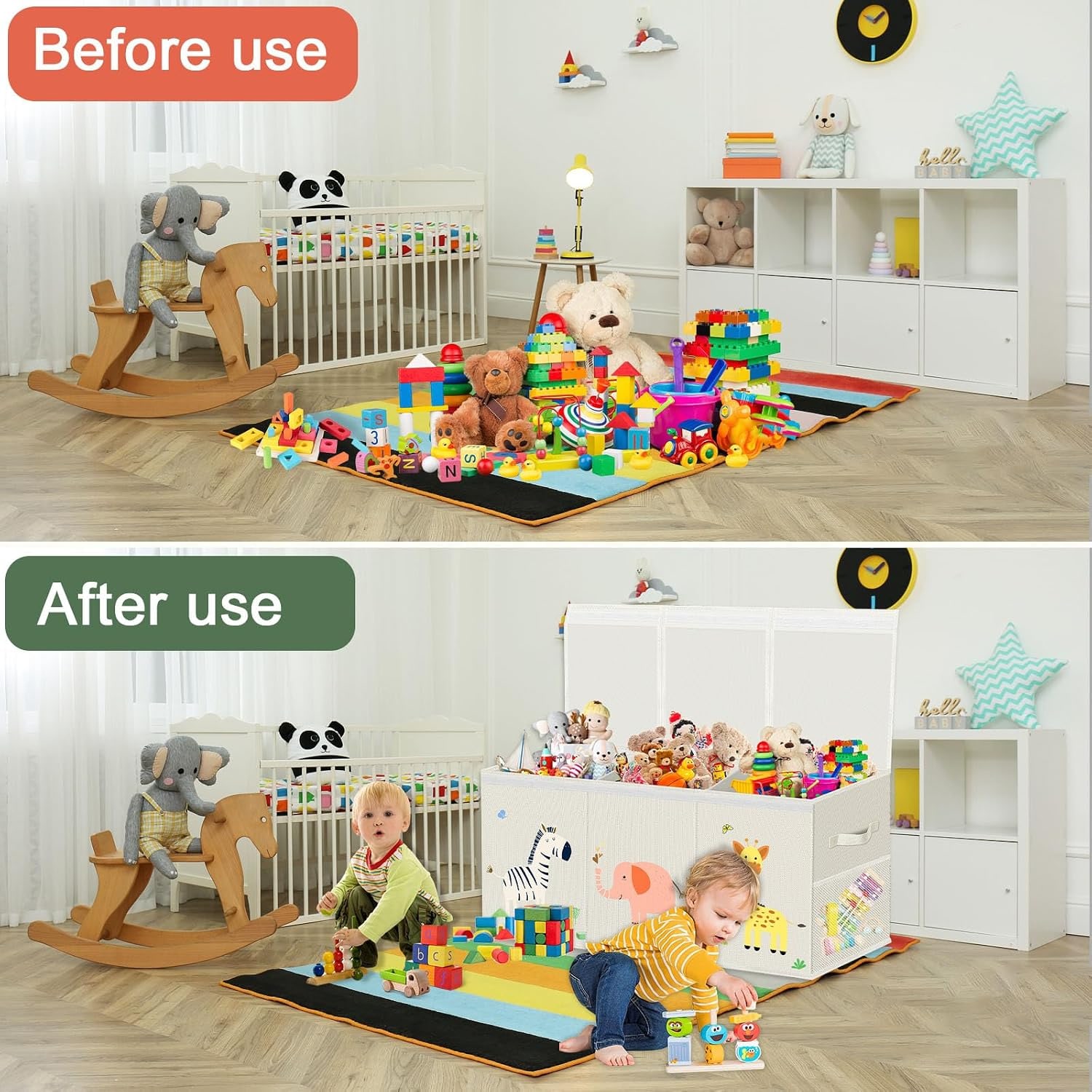
Most families already own storage. A basket by the sofa, a crate in the wardrobe, maybe a shelf unit with four fabric cubes. The toys still end up on the floor. That is because small containers fill fast, and once a container is full it stops being used. Children do not hunt for a second empty basket. They put the thing down where they are standing.
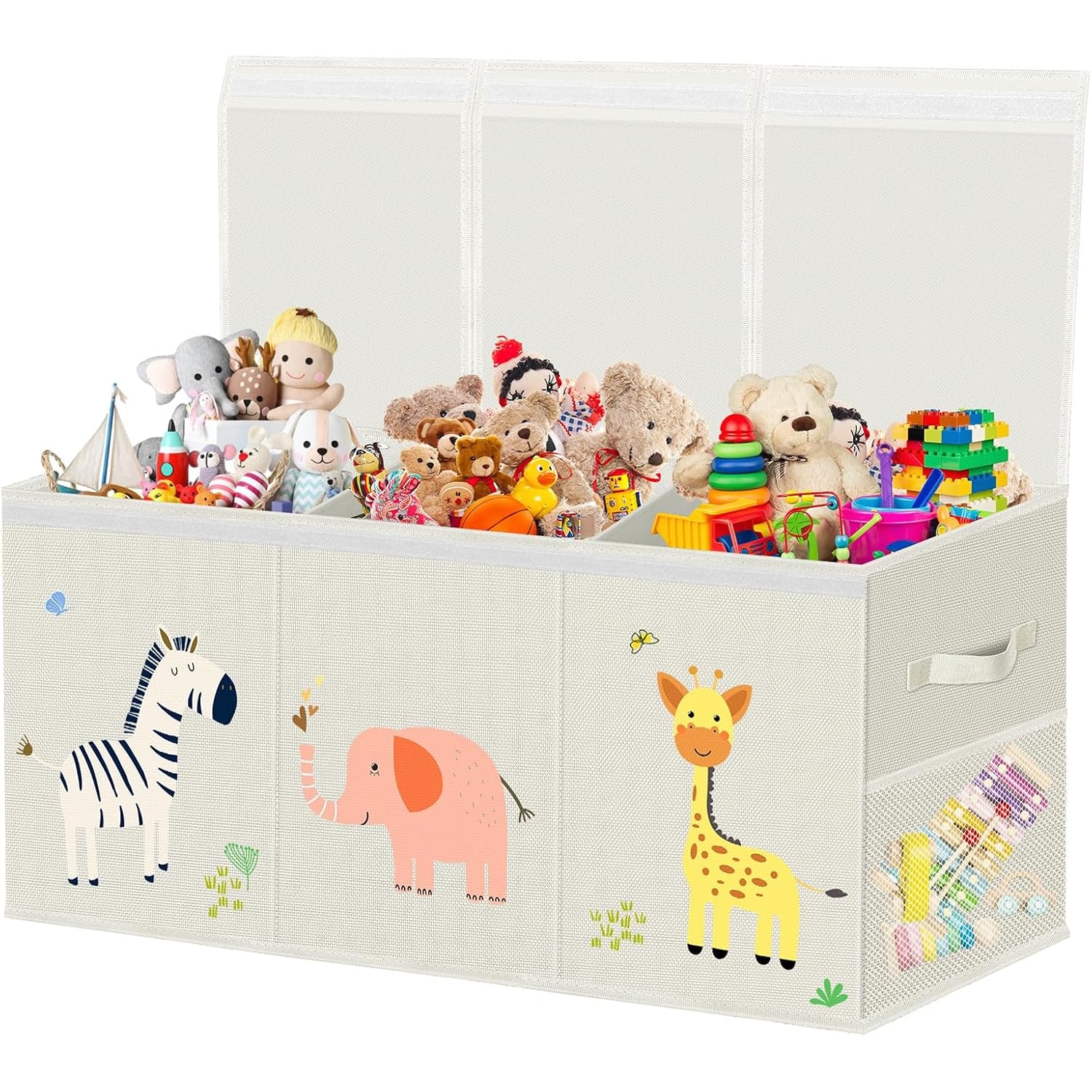
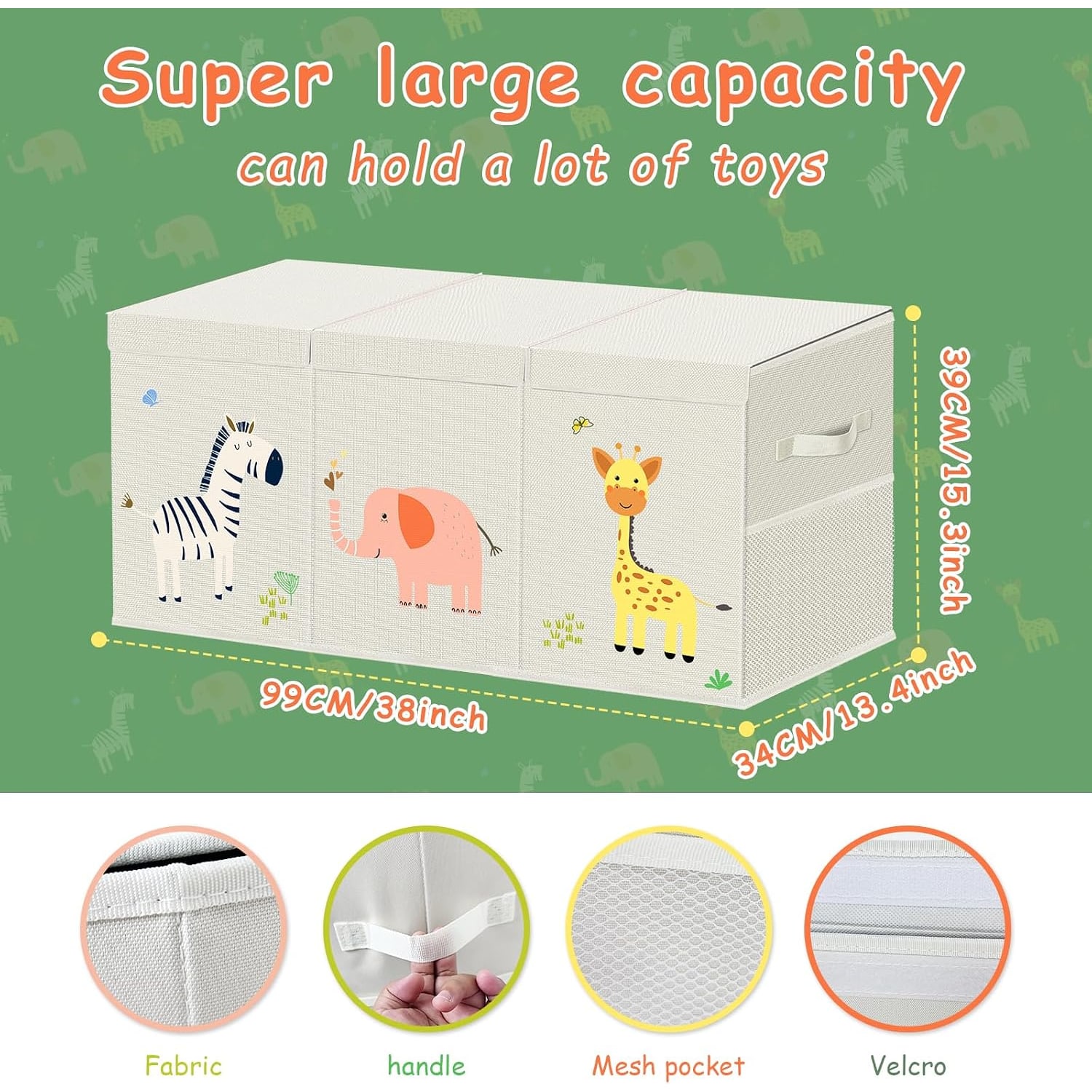
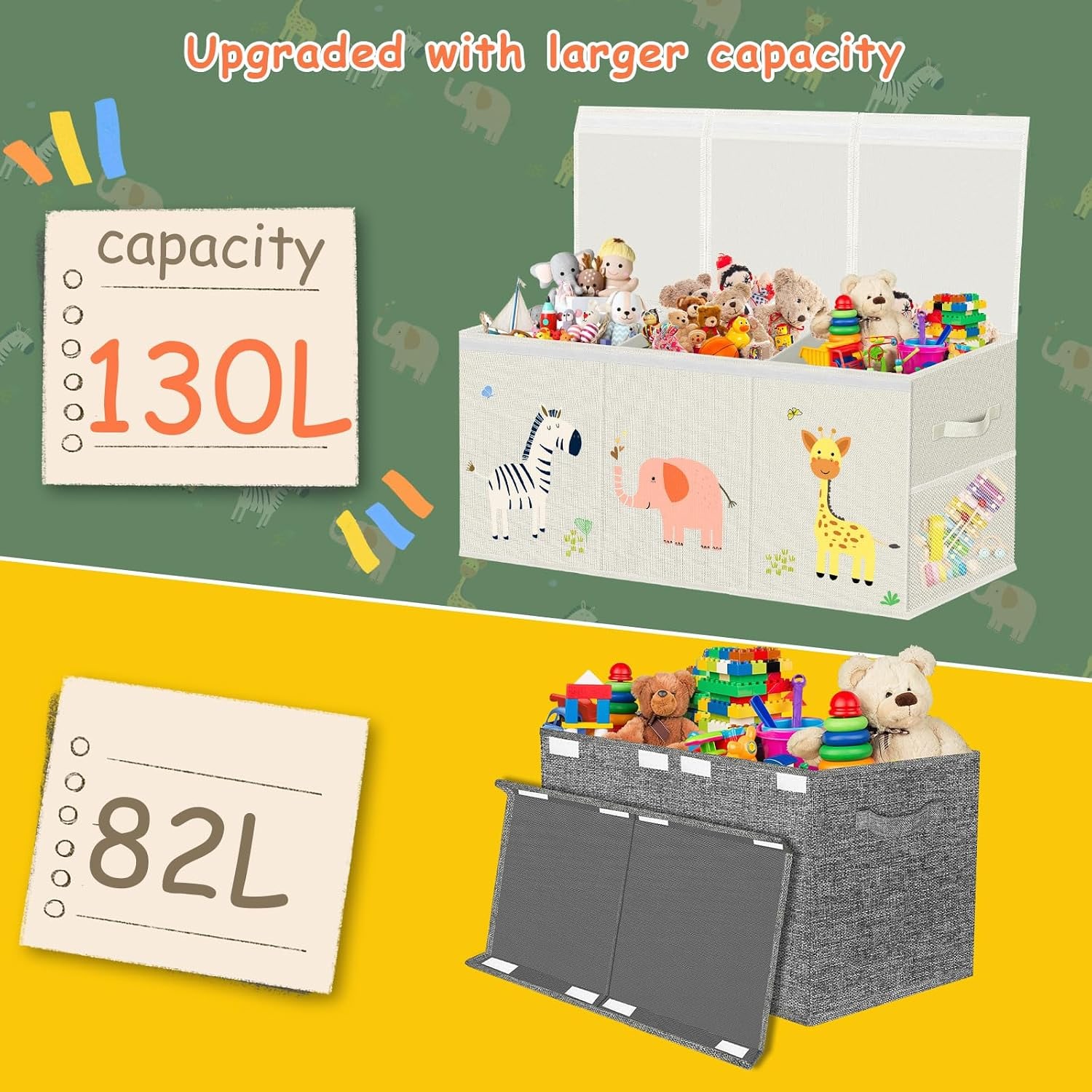
So the first thing worth fixing is capacity. One box of 130 litres holds more than several ordinary bins, and more importantly it holds the awkward things: the large truck, the folded play mat, the bundle of soft toys that no shelf will take. At 99cm long, 34cm deep and 39cm high, this chest has a shape that goes against a wall or sits at the end of a bed without eating the middle of the room.
The second thing worth fixing is the lid. A lid matters because an open bin always looks messy, even when it is tidy. A closed box reads as "done" to the eye, which is why a room with a few lidded boxes feels calmer than a room with twice as much open shelving.
How this one works
The body is fabric with boards inside the panels. That combination is why it holds its shape when it is empty and still folds down when you want the floor back. It is a practical middle ground between a soft bag, which collapses when you try to load it, and a rigid timber chest, which you are stuck with forever.
Three compartments sit inside, and the dividers move. This is the part people underrate. A single deep cavity turns into a dig site. A child looking for one small figure will tip the whole thing out, and you have gone backwards. With three sections you can set up a simple rule that even young children follow, such as books on the left, building things in the middle, soft toys on the right.
The lid lifts off rather than hinging or zipping. There is no zip pull to break and no lid to swing down while hands are inside. You take it off, you put it back. That simplicity is the whole point. A storage box only works if the person using it can open and close it without help, and a lift-off lid needs no instructions.
Two handles let an adult move a loaded box. Play migrates. It starts in the bedroom, moves to the lounge for the afternoon, then needs to go back. Being able to carry the container rather than the contents saves a lot of trips.
Who it suits
It suits anyone whose current storage is already full. If you are adding a fourth basket to a room that has three, you are treating the symptom. A single large box with sections usually does more.
It suits long, narrow spaces. The 99cm length is useful against a wall, at the foot of a bed, or along the back of a playroom. A deep square bin takes a similar volume but occupies a chunk of open floor.
It suits households that need storage to disappear sometimes. Because it folds flat, you can run two boxes through the school holidays and collapse one when term starts. Guest coming to stay in the spare room? Fold the box and slide it behind the door.
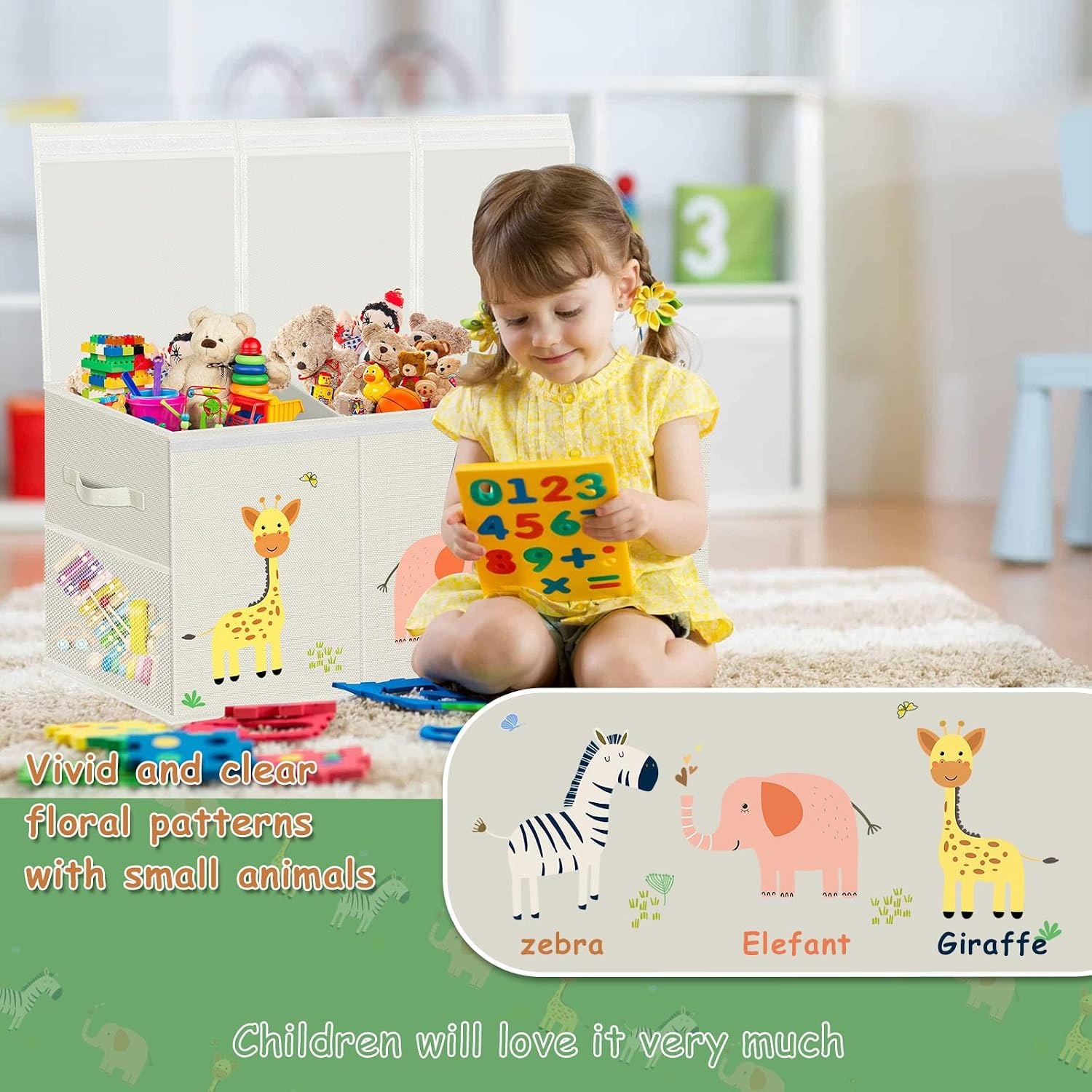
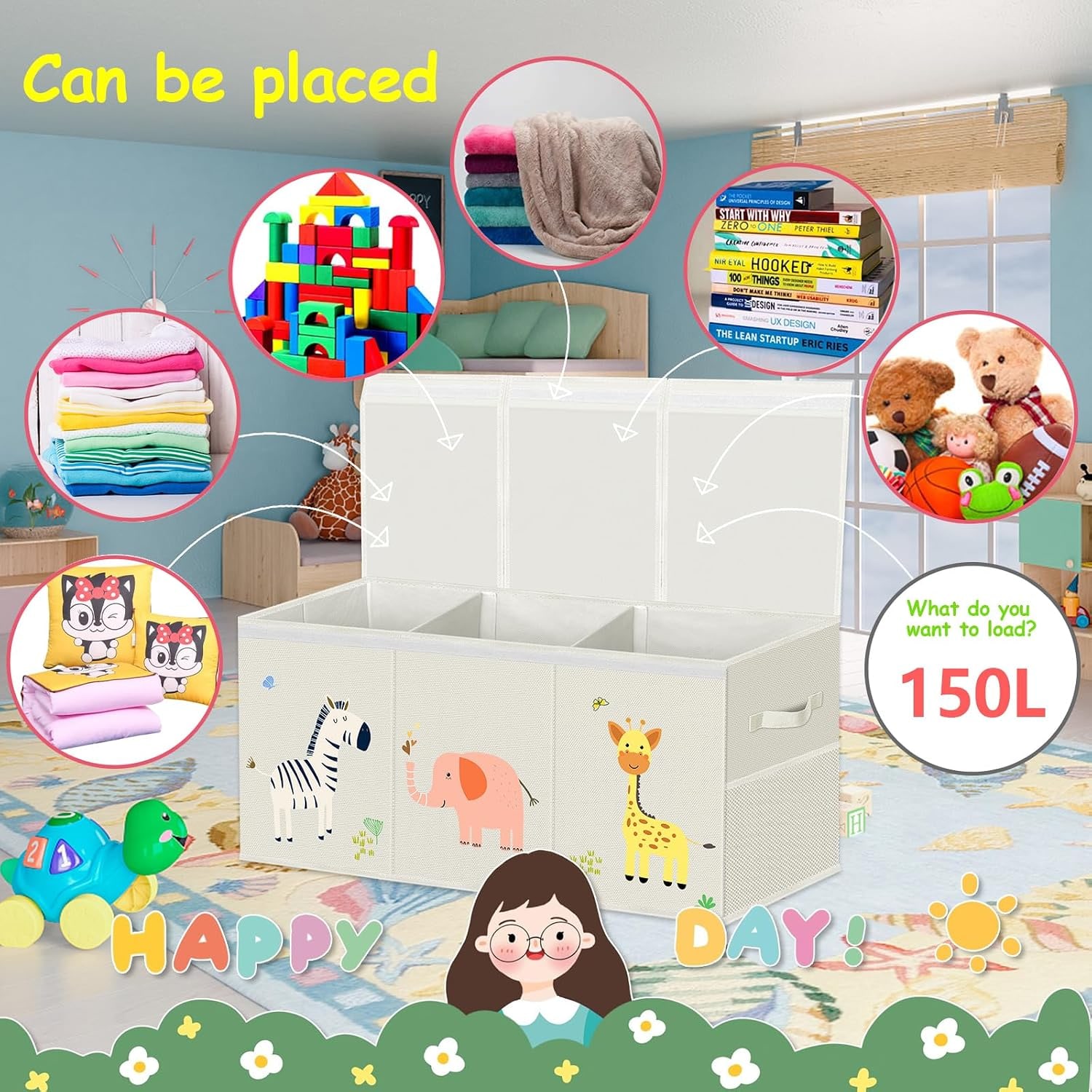
And it suits more than toys. Blankets, quilts, towels, spare clothes and sports gear all fit. A box like this tends to be repurposed every couple of years, which makes it better value than a piece of furniture built for one job. People often end up using the best collapsible storage box they own for linen long after the toys are gone.
It is less suited to one case: a permanent under-bed drawer. At 39cm high it is taller than most bed clearances. If under-bed is your plan, measure first, and know that the box folds flat for storage there rather than sitting there full.
How to choose between big and small
There is a fair argument for lots of small containers, and it goes like this: sorting is easier when every category has its own labelled home. That is true in a well-run playroom with an adult who maintains the system.
In most homes, the system drifts. Containers get used for the wrong thing, lids go missing, and by month three nobody remembers which crate was for craft. A big box with movable dividers survives drift better, because even a half-followed system still keeps books away from blocks.
A reasonable compromise is to run one large chest as the main home and keep two or three small open trays for whatever is in heavy use that week. The trays get emptied into the chest at the end of the day. That is far less work than sorting eight categories nightly.
If you are deciding how many you need, count what is on the floor right now at the worst moment of the week, not at the tidiest. Storage is sized for the bad day. Since this comes as a two pack, you have room to spread across two areas, or keep one folded in reserve.
Setting it up so it stays used
Put it where the mess happens. A box in the hallway cupboard will not get used if the toys live in the lounge. Convenience beats neatness every time.
Give each compartment an obvious job and keep it broad. Three broad categories work. Nine narrow ones do not. If a child has to think about which section an item belongs in, the item ends up on the carpet.
Load heavy things along the length rather than stacking them in one end. Books on their spines in one compartment, upright, work better than books laid flat in a heap. The dividers share the weight and keep the sides straight.
If you are stacking the two boxes, put the heavier one on the bottom and keep the stack to a height that can be reached without climbing. Fabric boxes stack well but they are not shelving, so keep it sensible.
Looking after it
Fabric storage is low maintenance but it does not like water. Spot clean with a damp cloth and a little mild soap, then let it dry completely before you refill it. Do not put it in a washing machine or a tumble dryer. The boards inside the panels are what hold the shape, and soaking them is the quickest way to lose it.
Deal with spills straight away. Empty the affected section, wipe it, and leave the box open in a ventilated room until it is dry to the touch. Avoid drying it in direct sun for long periods, since strong sun fades fabric over time.
When you fold it away, make sure it is dry and store it somewhere dry. A folded fabric box in a damp garage will smell by spring. A linen cupboard, under a bed, or on top of a wardrobe all work fine.
A note on what we do not know
Some details are not stated by the maker and we are not going to guess at them. Brand, weight, country of origin and the packed carton size are not given here. What is confirmed is the size of 99 by 34 by 39 centimetres, the 130 litre capacity, three adjustable compartments, a fabric body, a lift-off lid, beige colour, two handles, folding and stacking, a clear cover in the box, and a two pack quantity. If one of the unknowns matters to your decision, ask us before you order rather than after.
The short version
If your home has enough small bins and still has toys on the floor, you need capacity, not another basket. This chest gives you 130 litres per box, two boxes in the pack, three sections so things stay sorted, and a lid that comes off in one motion. It stands up when you need it and folds flat when you do not.
It is long and low rather than tall and square, which suits walls and bed ends. It carries by two handles when play moves rooms. And when the toy years pass, it quietly becomes the blanket box, which is usually where these end up anyway.