
The complete guide
Buying a Toy Whipper Snipper and Leaf Blower, A Parent's Guide
The problem this solves
Yard work and small children are a bad mix. You go out to trim the edges, and within a minute there is someone standing a metre away wanting to hold the handle. You say no, because of course you say no. Then you spend the next ten minutes doing a job with one eye on the lawn and one eye on a child who has decided the extension cord is interesting.
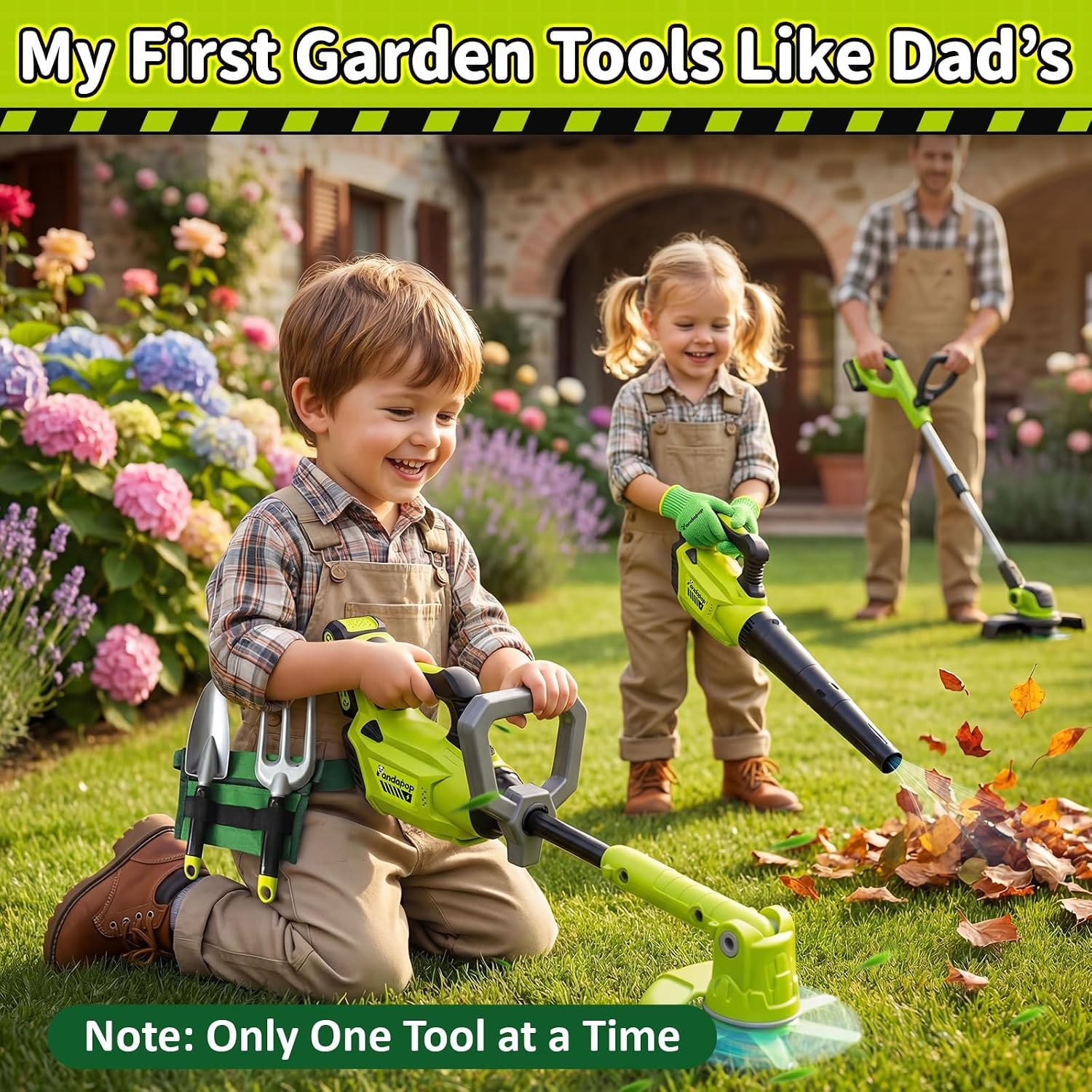
A toy whipper snipper and leaf blower fixes that in the simplest way possible. The child gets their own tool. They walk beside you doing their own version of the work, and the real machine stops being the only exciting thing in the yard. It is not a complicated idea, but it changes the whole mood of a Saturday morning.
The other thing it solves is the indoor problem. Getting a child outside sometimes needs a reason, not an instruction. "Come outside" is a losing argument. "Come and help me with the leaves, here are your tools" works a lot better, because now they have a role.
How the set works
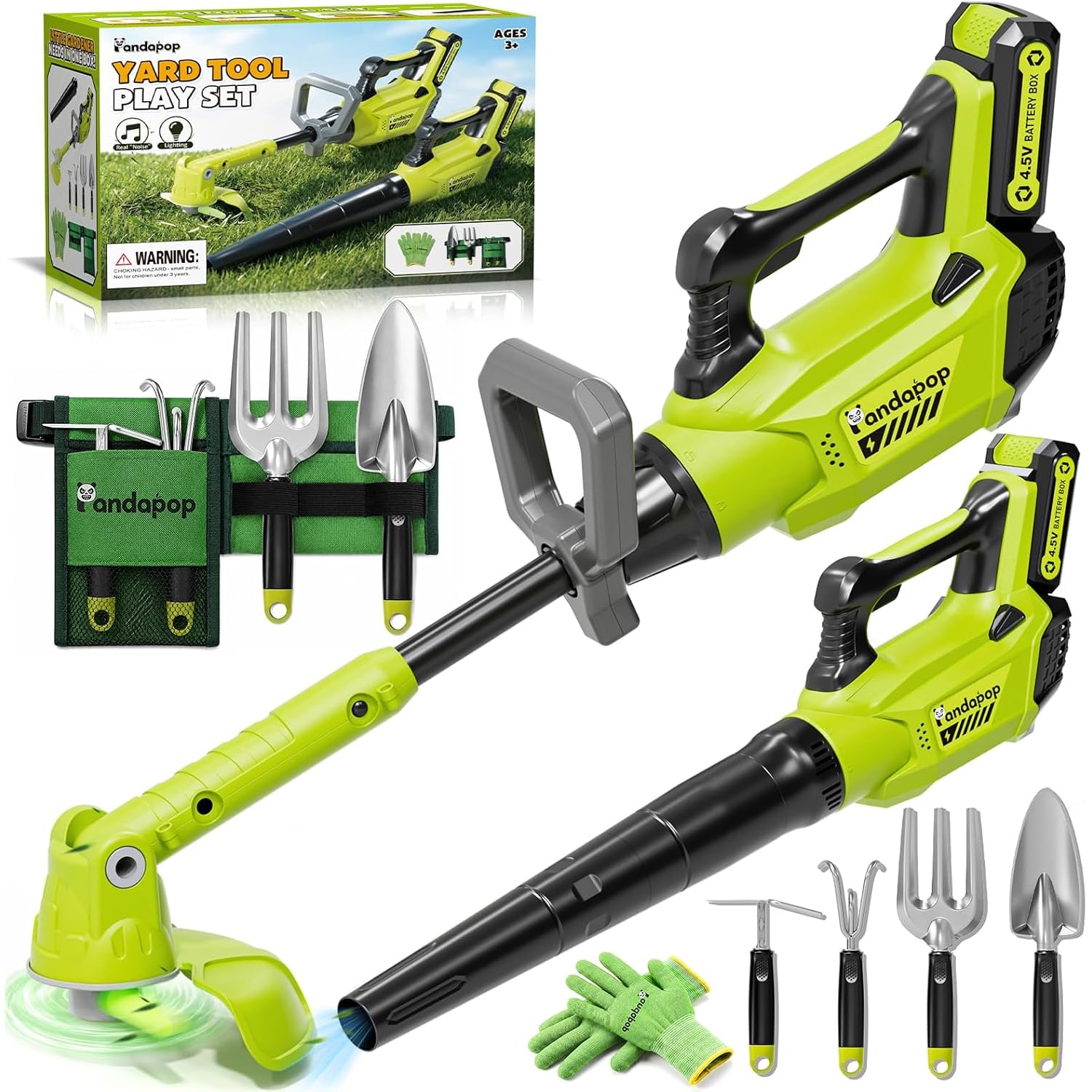
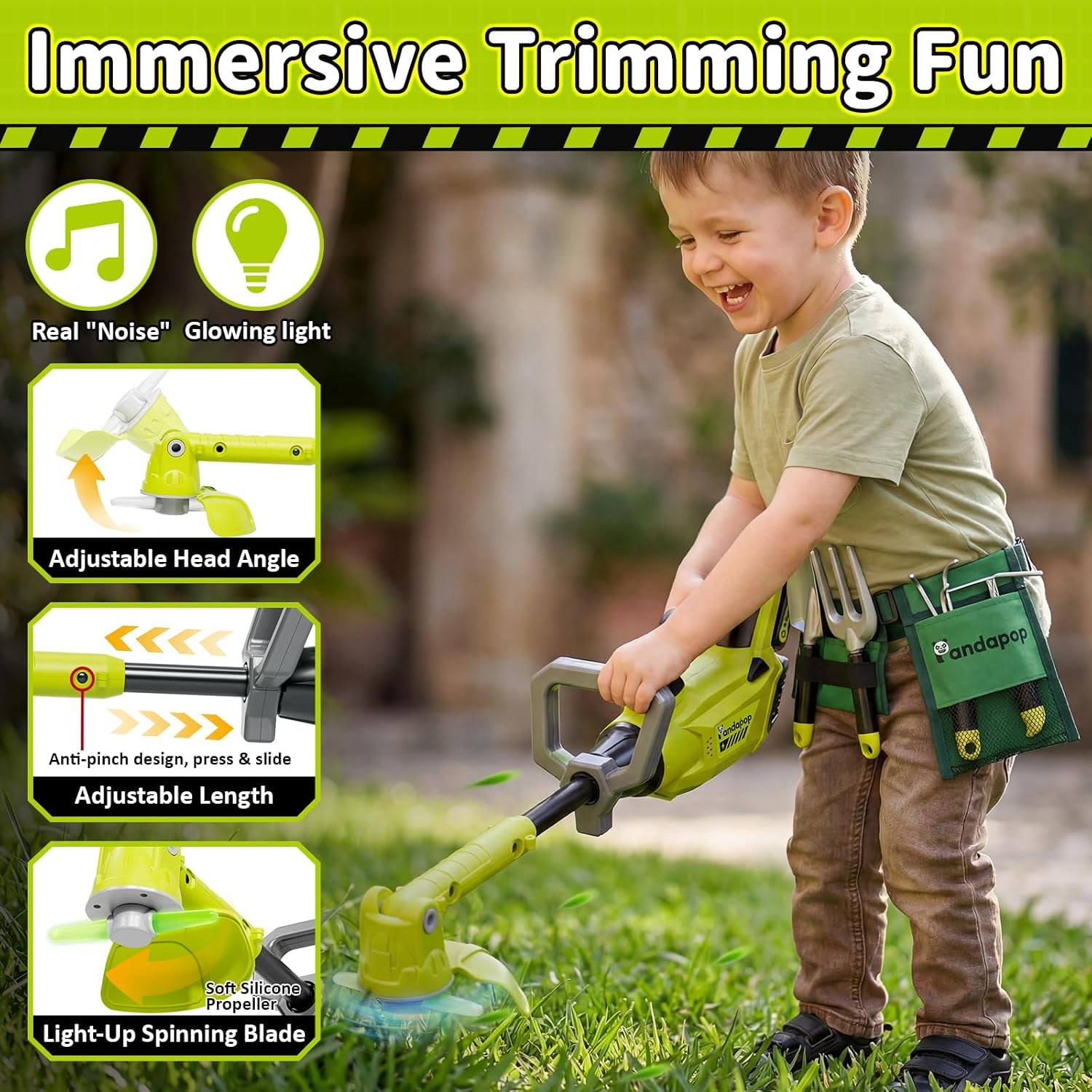
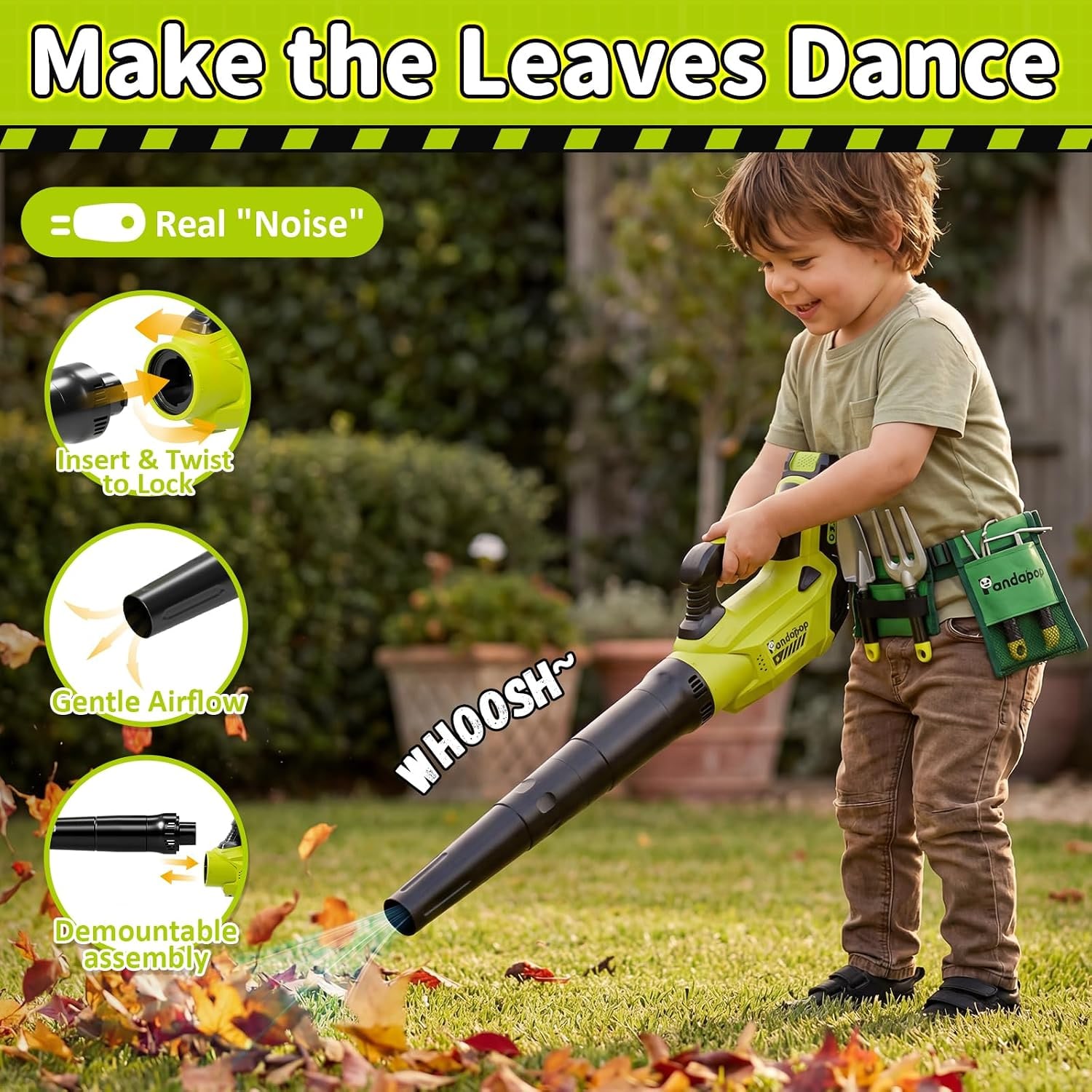
This is a two-in-one plastic toy in grass green. One side of the play is trimming, copying what a whipper snipper does along a lawn edge. The other is blowing, copying a leaf blower on a path or driveway. It does not actually cut or clear anything. It mimics the actions so a child can play along.
It runs on disposable batteries. Those are not included, which catches people out, so put a pack in the cart now rather than discovering the problem at 8am on a birthday. Once the batteries are in, that is it. There is no assembly required, no screwdriver, no bag of fiddly bits.
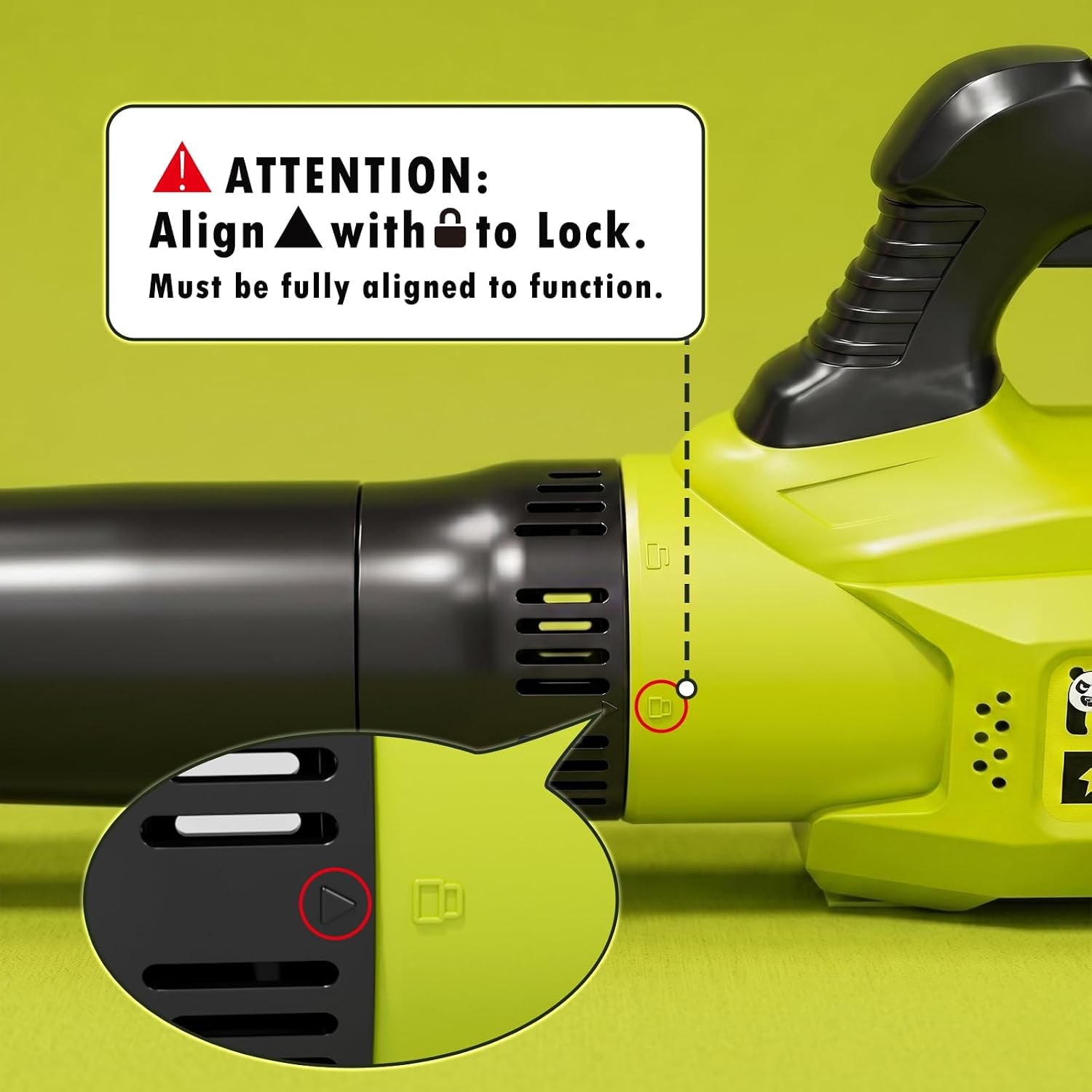
The one part worth knowing about is the fitting. The sections lock together by lining up a triangle mark with a lock mark, and they have to be fully aligned for the toy to work. If a child comes to you saying it is broken, that is the first thing to check. It is almost always the answer. After a couple of goes most kids can do it themselves, which is a nice small bit of independence.
Physically, the set is about 30.5 cm long, 19.8 cm wide and 13.5 cm high, and weighs roughly 980 grams. That is light enough to carry around a yard without it turning into a chore, and big enough to feel like a real piece of gear rather than a trinket.
Who it suits
This is for ages 3 and up. It is not for children under 3. If you are buying for a younger sibling who will inevitably want a turn, keep that in mind and plan for supervision.
It is listed for one player. That matters more than it sounds if you have two children of similar age. One set means turn-taking, and turn-taking with a brand new toy is a particular kind of test. Two sets is the easier path if your household runs that way.
It suits the child who copies. Some kids want to build, some want to draw, and some want to do exactly what the adults are doing, with the same equipment, at the same time. This is squarely aimed at that last group. If your child already trails you with a stick pretending it is a tool, you have your answer.
It also suits households with any outdoor space at all. You do not need a big lawn. A courtyard, a strip of path, a driveway, all of it works, because the play is in the action rather than the result.
How to choose between options
If you are weighing up different outdoor role play toys, a few things are worth thinking through.
First, how many jobs does it do. A single-function toy tends to get a strong first weekend and then a slow fade. A two-in-one garden toy has a better chance of lasting because there is a second mode to come back to when the first gets boring.
Second, setup. Anything that needs assembling before it can be played with loses momentum, especially if it arrives as a present. No assembly required means the gap between opening the box and being outside is about two minutes, assuming you have batteries.
Third, size and weight. A toy that is too big for a child to carry ends up stationary on the grass, which defeats the purpose. Around a kilogram, as this one is, sits in the range most children aged 3 and up handle comfortably while walking around.
Fourth, batteries. Some toys in this category are push-along with no power. Battery-powered ones have more going on, but they need maintaining. If you hate keeping batteries in the house, factor that in now rather than later.
Fifth, where it lives when play finishes. Plastic outdoor toys do better with a shed, a deck box or a garage corner. If you have nowhere to put things away, everything you buy for outside will age faster, and this is no exception.
Looking after it
Care here is genuinely easy, which is part of the appeal of plastic toy garden tools. Wipe it down with a soft damp cloth when it gets grubby, then dry it off. No dishwasher, no hose blasting, and keep water away from the battery compartment.
Bring it inside, or at least under cover, when play is done. Sun fades plastic and rain gets into places you would rather it did not. A toy that lives in a box between uses will outlast one that lives on the lawn by a long margin.
If the set is going away for the winter or for a few weeks between uses, pull the batteries out first. Cells left sitting in toys can leak, and cleaning that up is both unpleasant and sometimes terminal for the contacts.
Check the lock fitting now and then. If it is getting gritty from use on dirt or sand, a quick wipe around the join keeps it turning smoothly and keeps the alignment accurate.
Getting the most out of it
The play works best when it is shared rather than handed over. If you go out to do a job and the child comes with you, the toy has a purpose. If it is just given to them to play with alone in the yard, it is still fine, but it loses the thing that makes it click.
Give them an actual patch. "You do the edge along the fence" is better than "go play". Children aged 3 and up take a job title seriously, and a bit of structure keeps them at it longer.
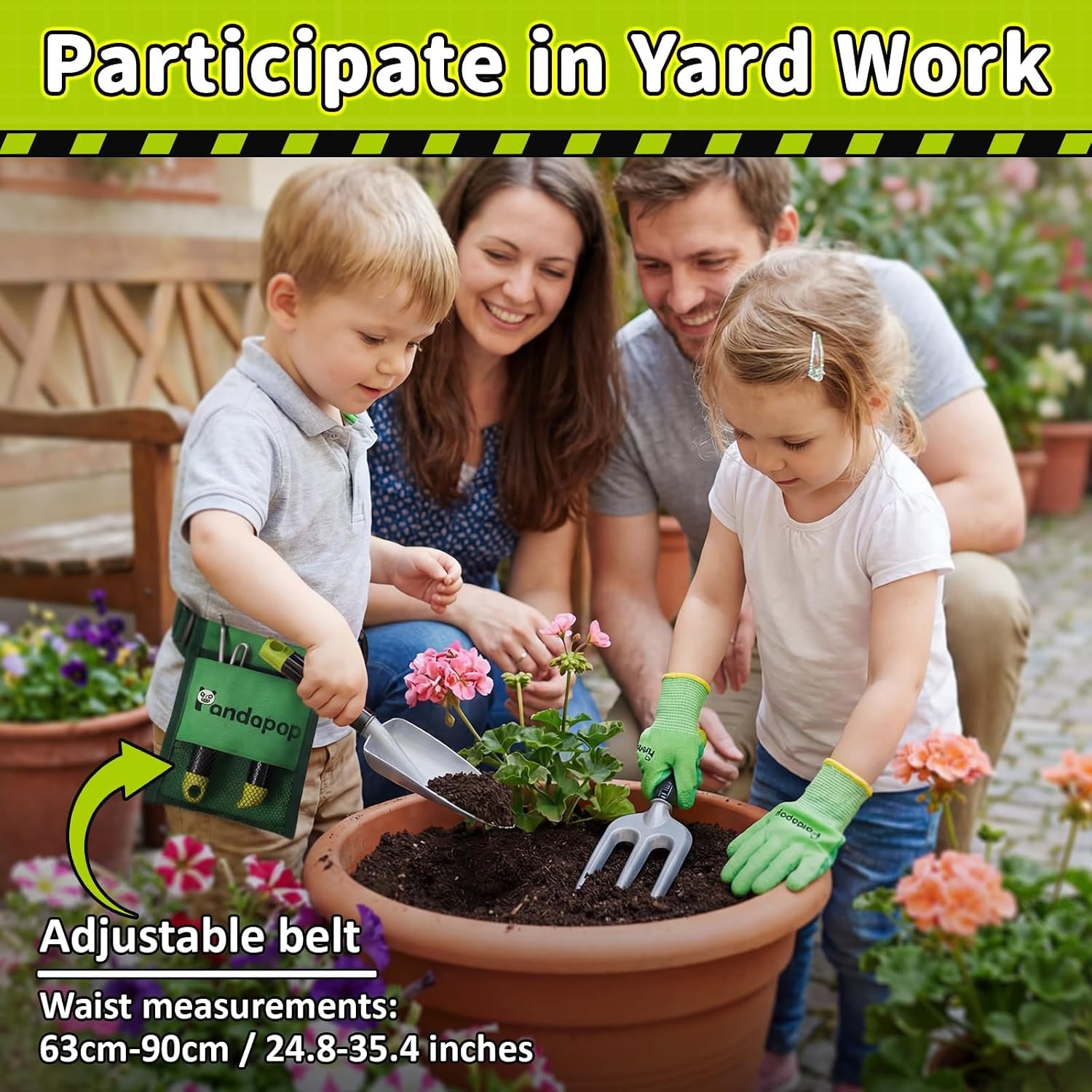
Pair it with other pretend play gardening gear over time if it lands well. A watering can, a small wheelbarrow, a set of hand tools. Each addition extends the game rather than replacing it, and before long you have a proper little crew out there on weekend mornings.
Expect the first week to be intense and then settle. That is normal for every toy ever made. What matters is whether it gets picked up again in a month, and outdoor role play toys tied to a real adult activity usually do, because the trigger comes back every time you go outside with the real machine.
The short version
This is a grass green plastic toy whipper snipper and leaf blower, model T2038, built for pretend play gardening outside. It does two jobs, needs no assembly, and joins with a lock fitting where you align a triangle mark with a lock mark. It takes disposable batteries, which are not included. It measures roughly 30.5 x 19.8 x 13.5 cm, weighs about 980 grams, suits ages 3 and up, and is designed for one player.
Buy batteries at the same time. Line up the marks properly. Bring it in when you are done. Do those three things and you have a toy that turns yard work from a thing you do around your child into a thing you do with them.