

The complete guide
How to Choose a Rolling Toy Chest That Actually Gets Used
The real problem is not storage, it is carrying
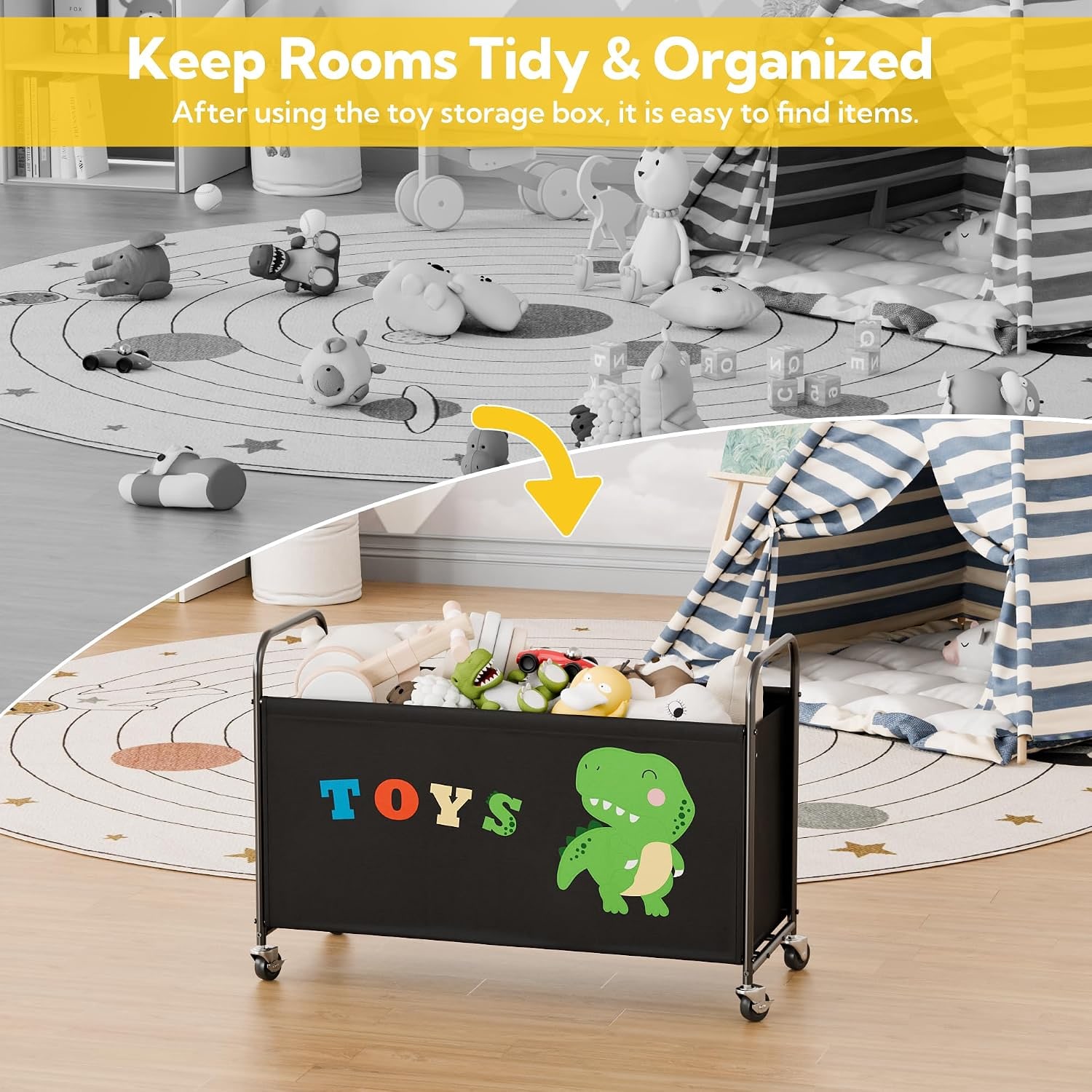
Most homes do not lack toy storage. They lack toy storage that anyone bothers to use. There is usually a basket in a bedroom, a tub in a cupboard, and a few bags shoved behind a chair. The toys still end up on the living room floor, because the floor is where the playing happens and the storage is somewhere else.
That gap between where toys are used and where they live is what kills a tidy-up routine. Nobody wants to make six trips down a hallway with armfuls of blocks. So the pile stays, and by Sunday evening it is a job big enough to put off entirely.
A toy chest with wheels closes that gap. Instead of carrying toys to the box, you bring the box to the toys. It sounds like a small change. In practice it turns a twenty minute chore into a three minute one, which is the difference between a system that works and one that quietly gets abandoned.
How a rolling toy box works day to day
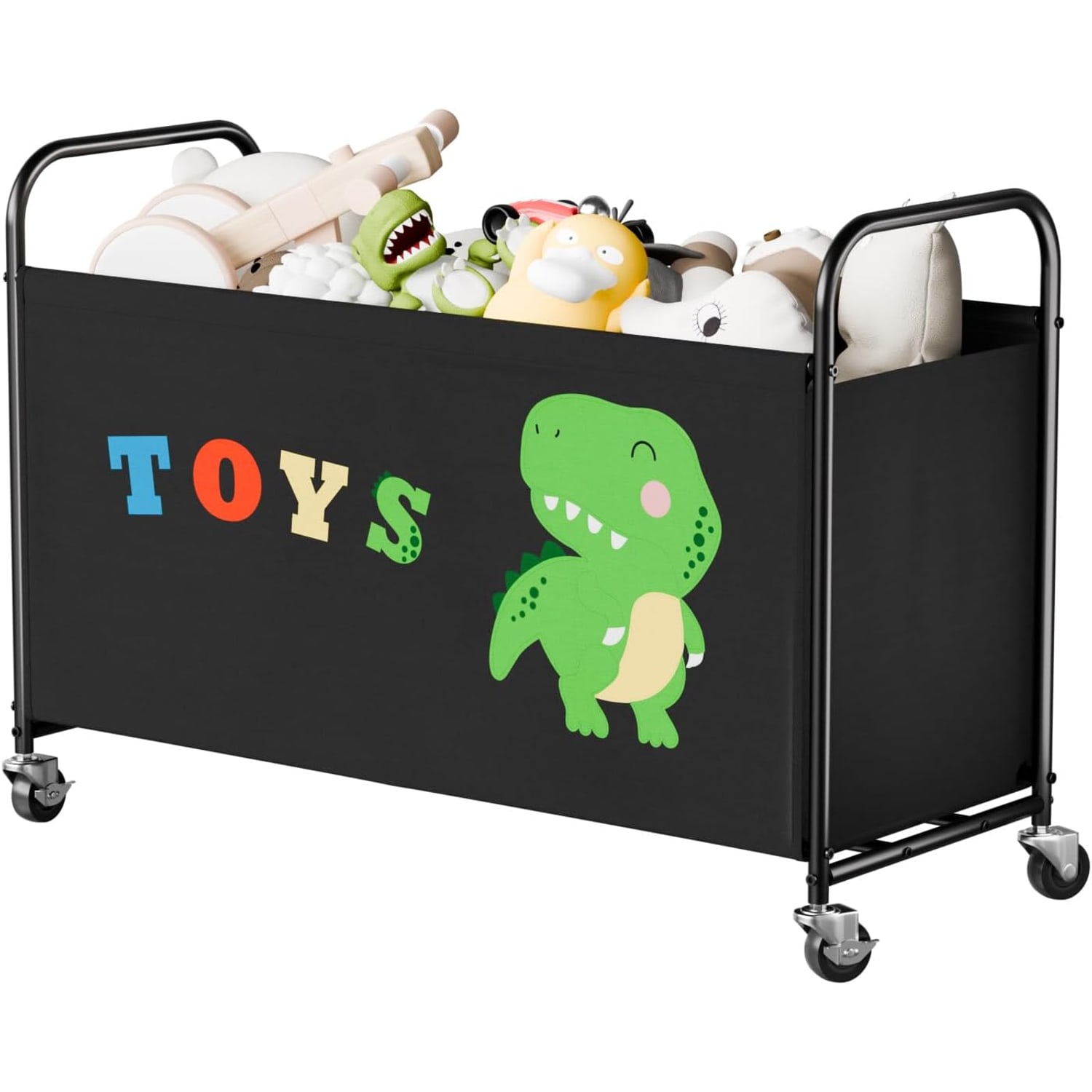
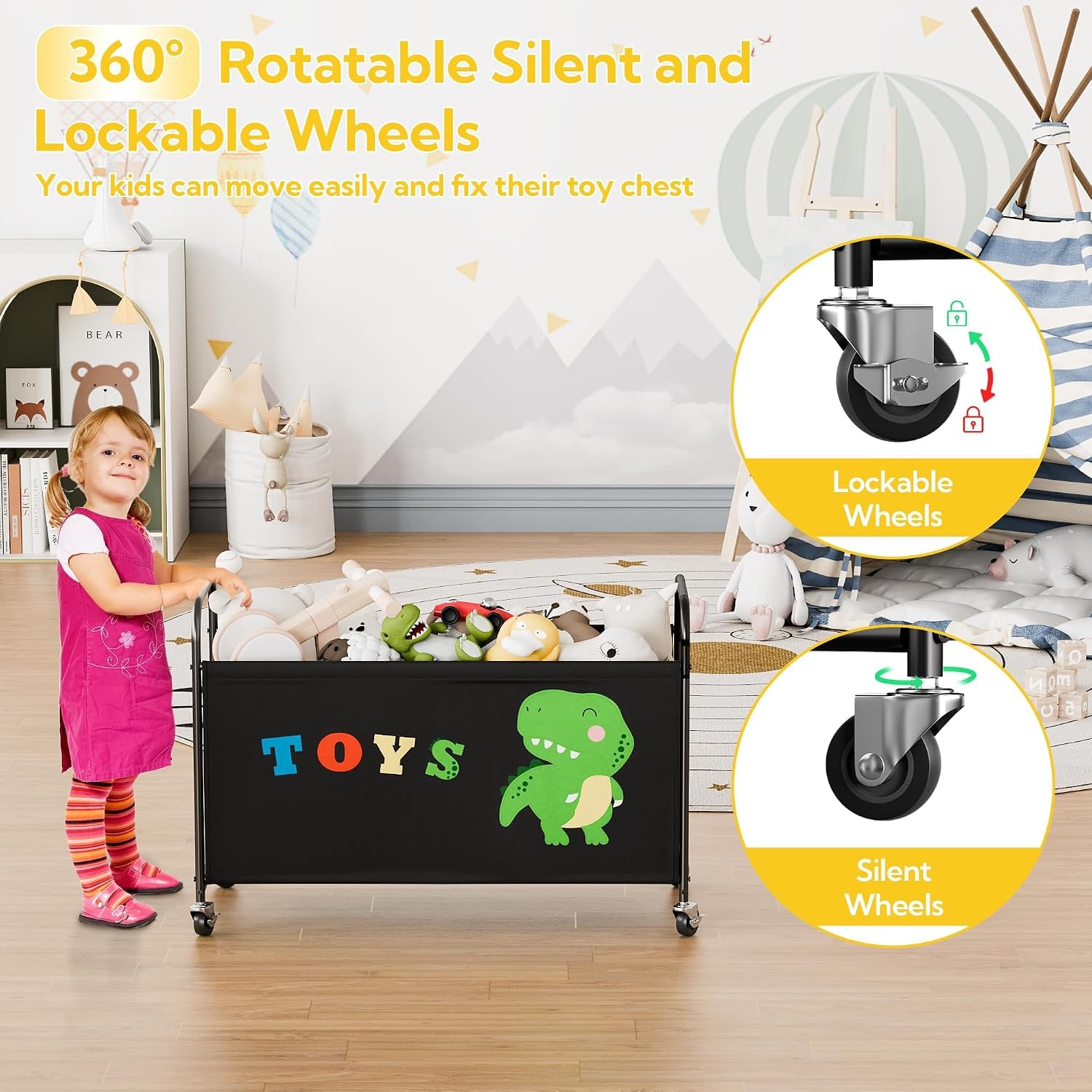
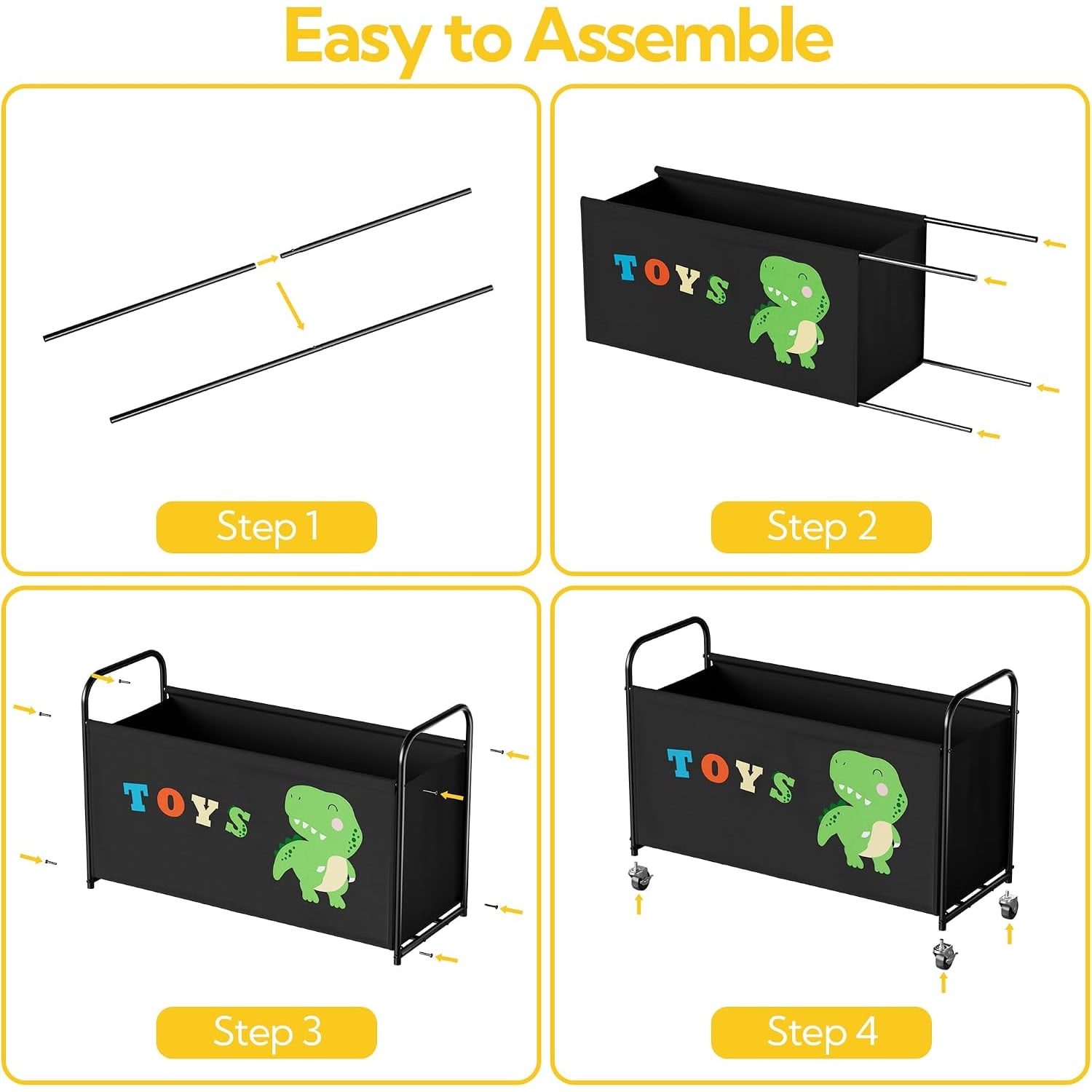
The mechanics are simple. Four castors under a framed fabric box, two of them with brakes. Unlocked, the box follows you around the room. Locked, it stays where you put it.
That locking pair matters more than you might expect. When a child is throwing soft toys in from the side, an unlocked box slides away from them and they end up chasing it. Clicking two brakes on stops that. It also stops the box wandering across a sloped floorboard overnight, which is a surprisingly common annoyance with castor furniture.
The 360 degree swivel is the other half of it. Fixed castors need a wide turning arc, which is useless in a room full of furniture. Swivel wheels let the box turn on the spot and slip through a doorway without a three-point turn. That is why this style moves easily even with a child doing the pushing.
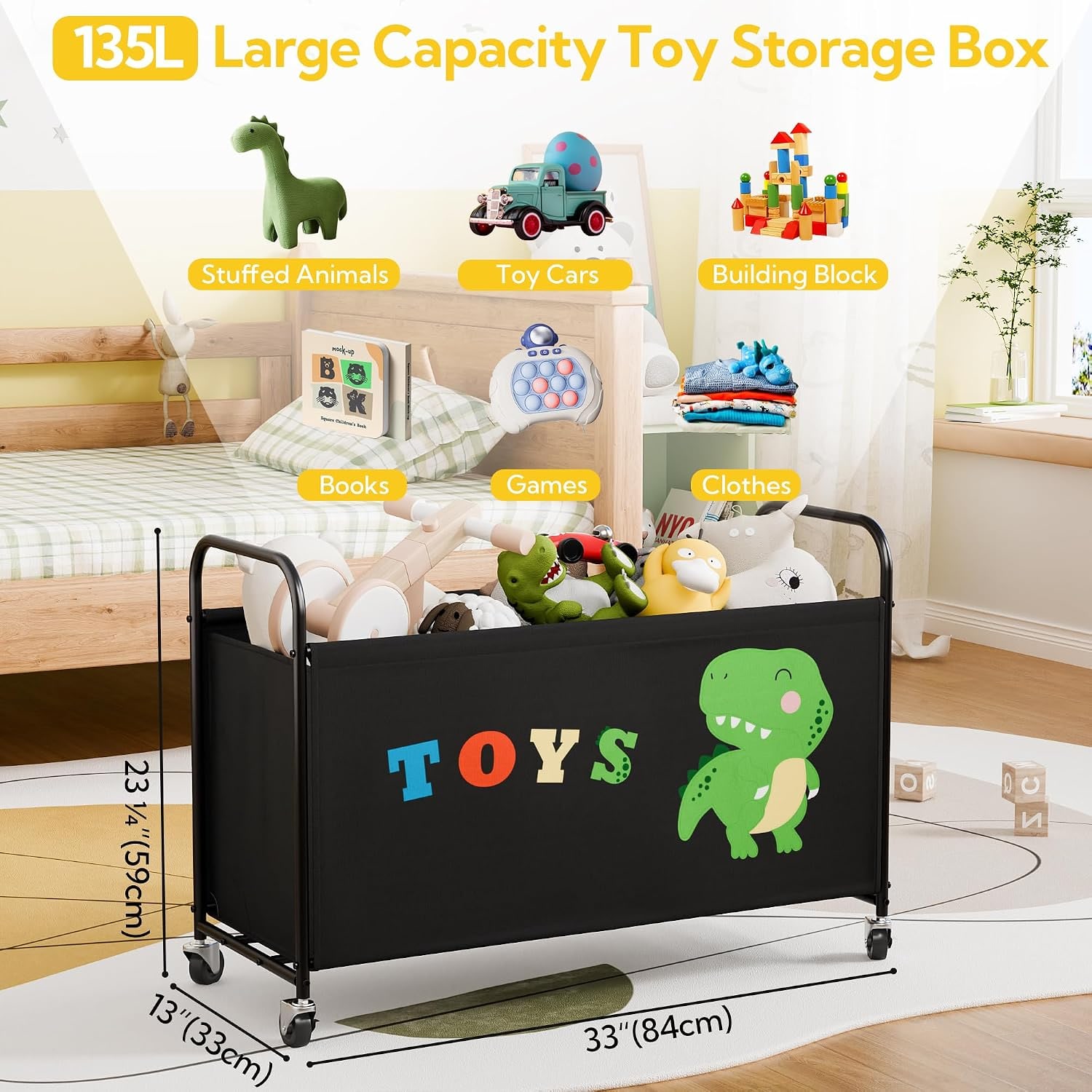
Capacity here is 135 litres. To put that in context, a standard laundry basket is around 50 litres. So this is roughly three baskets in one, which is usually enough to clear an entire living room floor in a single pass. One box, one pass, done.
Why the frame is the part to care about
If you have ever owned a fabric storage cube, you know the failure mode. Half empty, the sides fold inward. The opening narrows to a slot. Putting something in needs one hand to hold the side open and one hand to drop the toy, which is a two-handed job a child will not do.
The metal frame in this box solves exactly that. The oxford cloth is stretched over a rigid skeleton, so all four walls stand on their own whether the box is packed or nearly bare. The mouth stays wide and square.
That sounds like a detail. It is actually the single biggest factor in whether a child uses the thing. A box they can lob a toy into from a metre away is a box they will use. A box they have to wrestle open is a box they will walk past.
Oxford cloth is a tightly woven polyester fabric used for backpacks and luggage for the same reason it is used here. It takes knocks, it wipes clean, and it does not fray at the first snag. Paired with a metal frame, you get the structure of a hard box without the weight or the sharp corners.
Who this suits
Families with a shared living room get the most from it. When the toys live in the same room the adults relax in, you need storage that disappears at 7pm. Black with a smooth finish does that better than a bright plastic tub ever will. Roll it into a corner, drape a throw over it, and the room reads as a living room again.
It also suits anyone with more than one play area. A bedroom, a lounge and a conservatory is three places toys accumulate. One rolling box can service all three, which is cheaper and tidier than buying three static ones.
Small spaces benefit from the shape. At 33 cm deep it is shallow, so it does not jut out into a walkway. At 84 cm long it covers a decent stretch of wall. Think of it as a low sideboard rather than a cube, and you will see where it fits in your room.
It works less well in a room with thick carpet throughout, where castors always struggle, or in a space where the only free spot is under a bed. At 59 cm tall it will not fit under anything.
Choosing the right size and shape
Before you order, measure three things.
First, the gap where it will live. You need 84 cm of clear wall, plus a few centimetres of breathing room so it is not jammed. Second, the height clearance if it is going under a window ledge or a shelf. Third, the narrowest doorway it will pass through, because a box you cannot move between rooms is just a box.
Then think about reach. The rim sits at 59 cm. That is a comfortable height for most primary-aged children to drop things into without climbing. If your main user is smaller, they will still manage with the box on the floor beside them, but expect to help with the heavier items.
One more consideration is what else you want it to do. A big open fabric box on wheels is not a single-purpose item. People use this style for laundry, bedding, firewood kindling, sports kit, craft supplies and recycling. If you buy it for toys and the toy years end, it just becomes storage for something else. That flexibility is worth factoring into the price.
Keeping it in good shape
Care is undemanding. Wipe the fabric with a damp cloth and a little mild soap, and let it dry properly before you refill it. Skip the washing machine and the dryer, because neither is kind to a bonded fabric panel.
Blot spills rather than scrubbing. Rubbing works the mess deeper into the weave and leaves a shadow that a wipe will not lift.
Keep an eye on the wheels. Castors collect hair, fluff and the odd rogue bead, and a clogged wheel drags instead of rolling. Thirty seconds with your fingers every month or so is all it takes.
Check the frame joints a couple of times a year. Anything that gets pushed, loaded and emptied daily will loosen slightly over time, and re-seating a joint early stops it becoming a wobble.
Finally, do not treat the capacity figure as a challenge. Filling a 135 litre box to the brim with dense items puts more strain on the frame and the wheels than filling it with soft toys. Spread heavy things across the base rather than stacking them in one corner.
The short version
A rolling toy storage box fixes the carrying problem, not just the storing problem. That is why it gets used when other storage does not.
This one gives you 135 litres on four swivel wheels, two of which lock. A metal frame keeps the sides upright so a child can actually use it, and oxford cloth takes the daily knocks. At 84 x 33 x 59 cm it sits long and low against a wall, in plain black that does not shout playroom.
Measure your wall gap, check your doorways, and think about whether you want one box doing the work of several. If the answer is yes, this is a sensible place to put your money.