
The complete guide
How to Choose a Paper Roll Easel for Kids
The problem with running out of paper
Ask any parent who has sat down with a four-year-old and a box of markers. The drawing goes well for ten minutes. Then the sheet is full, and somebody has to get up, find the pad, peel off a page and sit back down. Half the time the pad is empty. Sometimes the mood is gone by the time you return with a sheet of printer paper.
A paper roll easel for kids removes that pause. The paper lives on the easel. It is always there, always blank, and it does not need to be found. That sounds like a small thing, and it is, but small things are what decide whether a craft set-up gets used daily or twice a year.
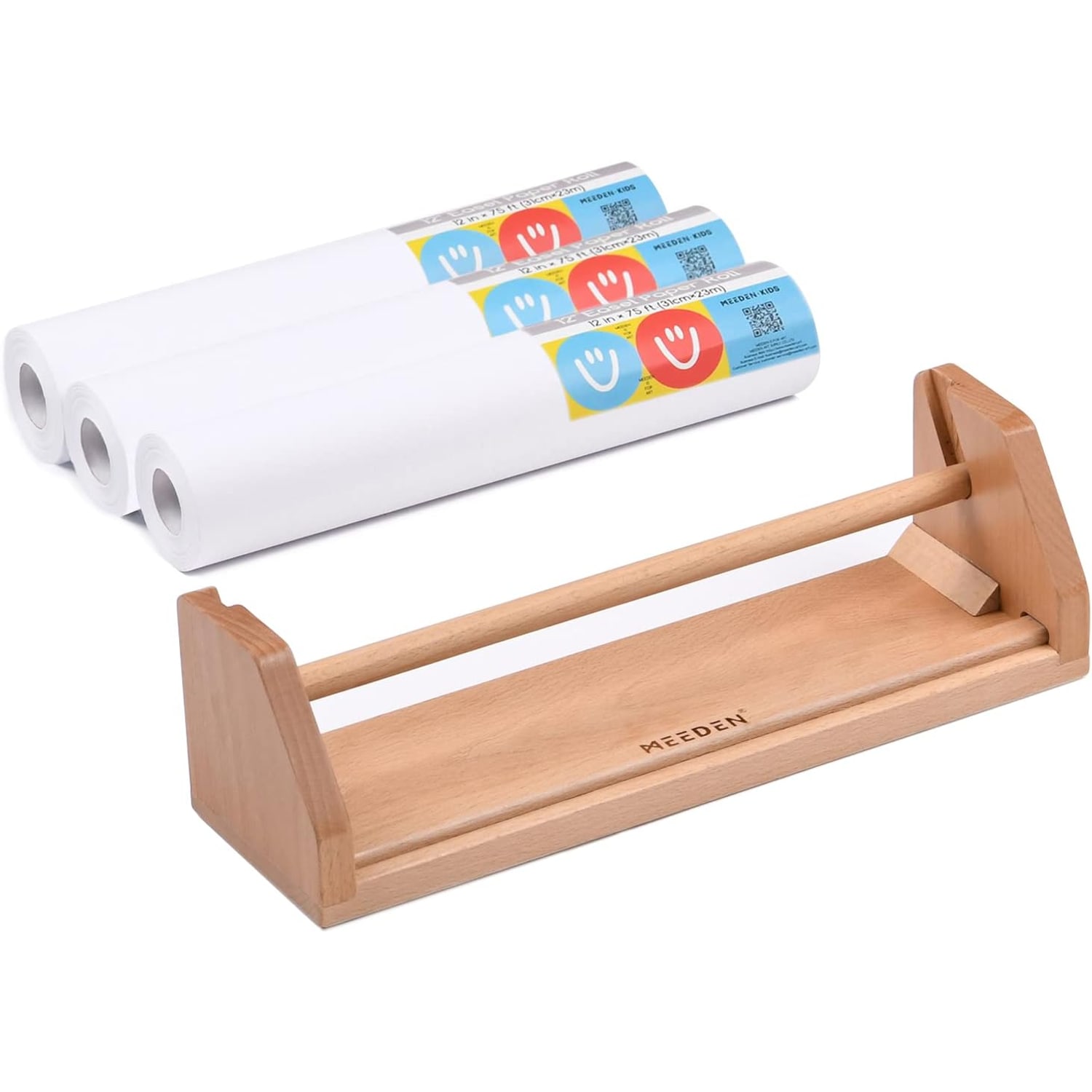
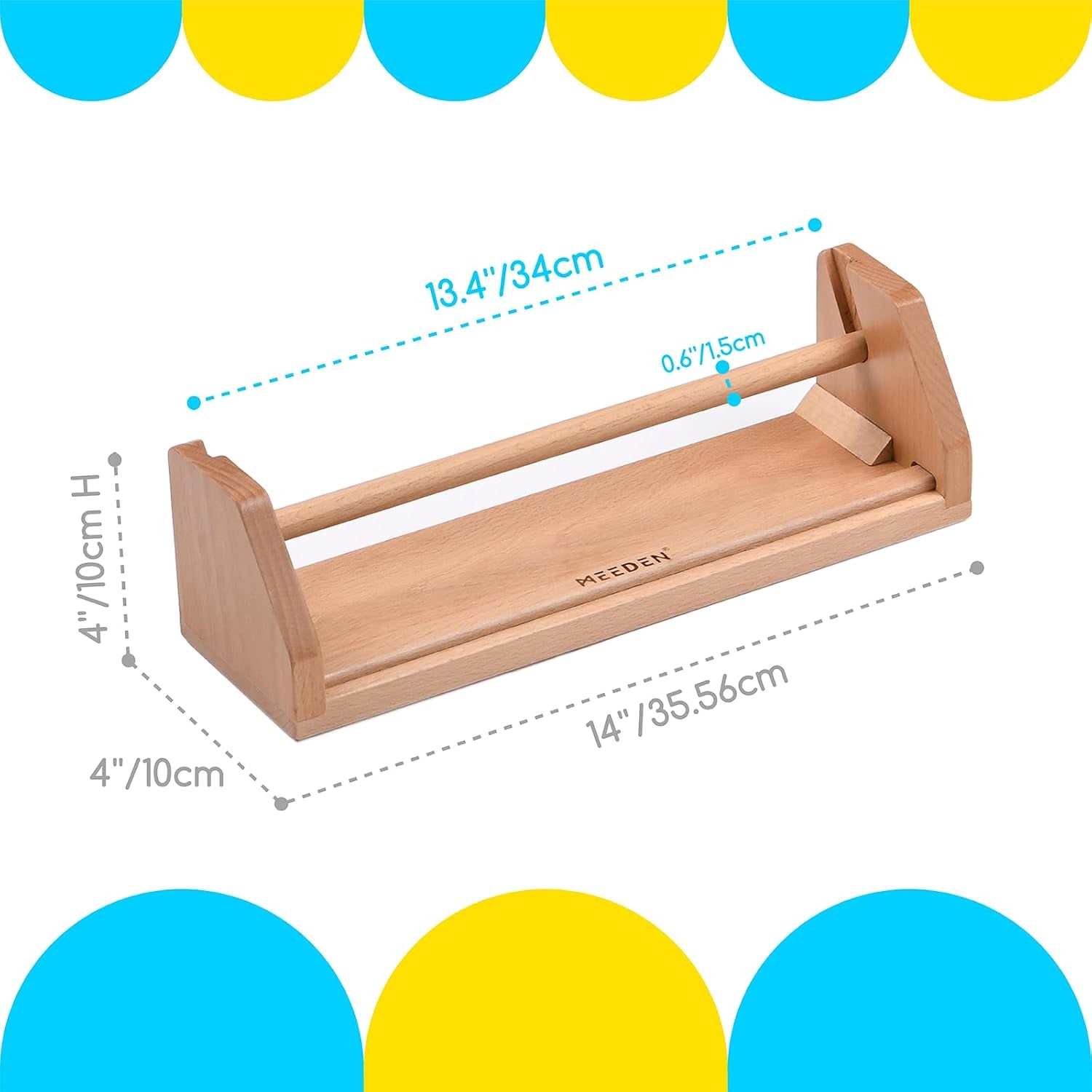
This particular easel is a single-mast tabletop model in beech wood. It measures 35.8 cm wide, 10.9 cm deep and 10.2 cm high, weighs 2.32 kg, and arrives ready to use. The shaft through the middle is reinforced so the roll stays put while paper is pulled.
How a tabletop paper roll dispenser works
The mechanism is deliberately simple, which is why it lasts. A roll of paper slides onto the central shaft. The loose end feeds up and over so a section of paper sits exposed in front of the child. They draw on it. When they are done, they tear the sheet off against the edge and pull the next section through.
There is nothing to adjust, no clips to lose and no height mechanism to jam. The only moving part is the roll itself, turning on the shaft. That is why these easels tend to survive years of use when fancier designs with hinges and trays start to rattle loose.
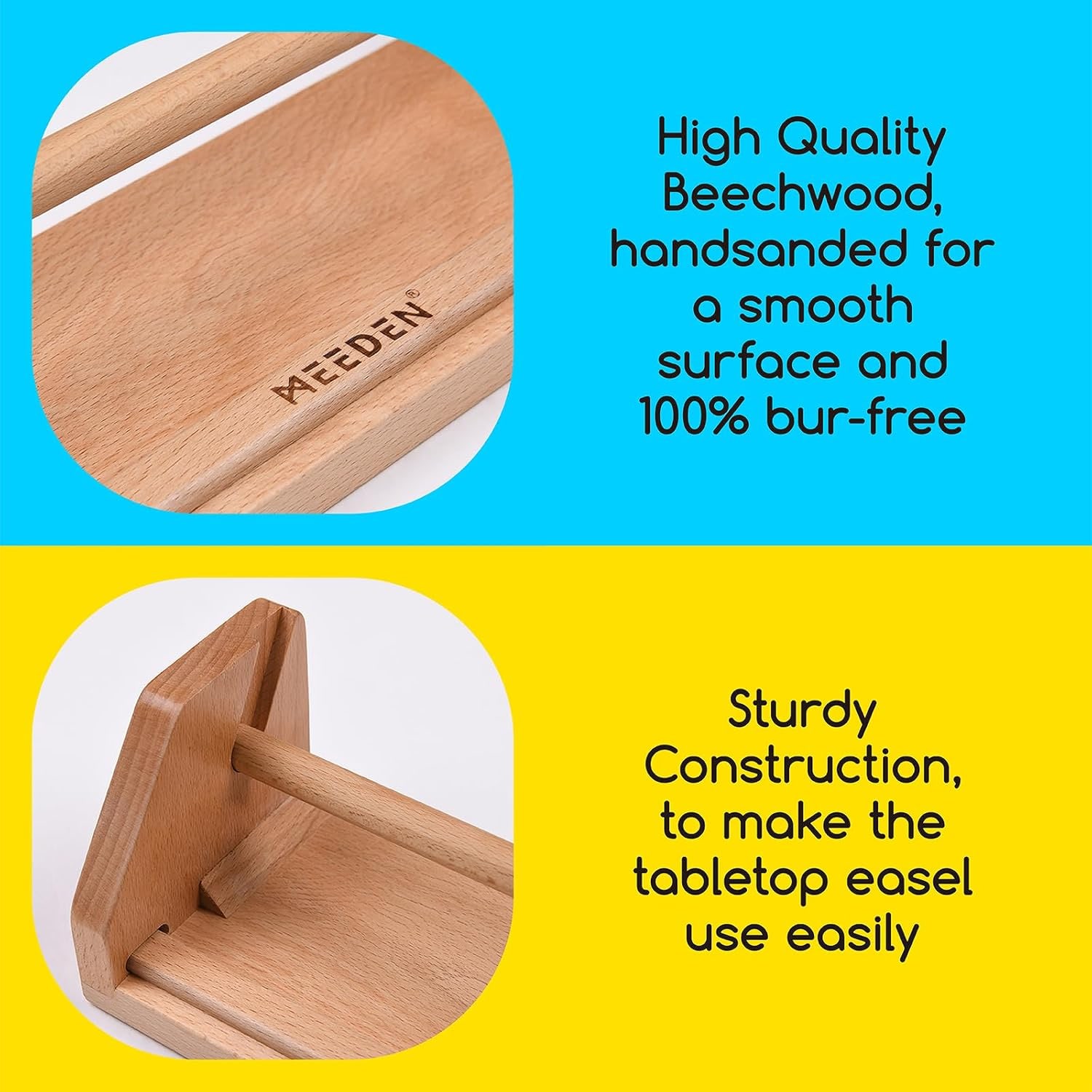
The reinforced shaft matters more than it sounds. On a cheap holder, a half-used roll can shift sideways and drop off the mounting while the child is mid-pull. That is the moment a drawing session turns into a tidy-up. A shaft that genuinely holds the roll seated avoids it.
Who this suits
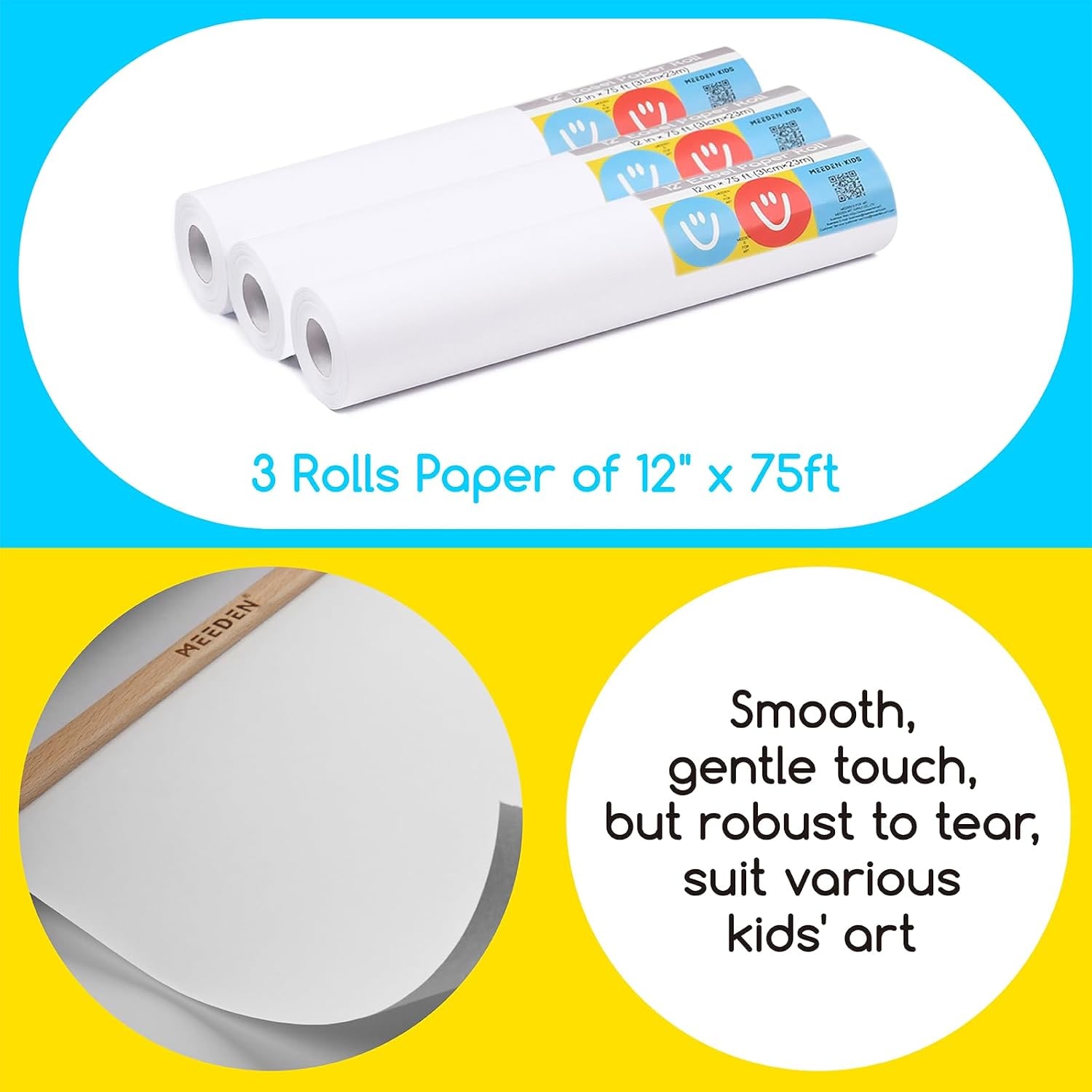
It suits a child who draws a lot. If your kid goes through a sketchpad in a fortnight, roll paper is cheaper per metre and far less fiddly.
It suits small spaces. A floor easel wants a corner of a room permanently. This one wants a corner of a table, and only while it is being used. At just over two kilos you can lift it one-handed and put it on a shelf.
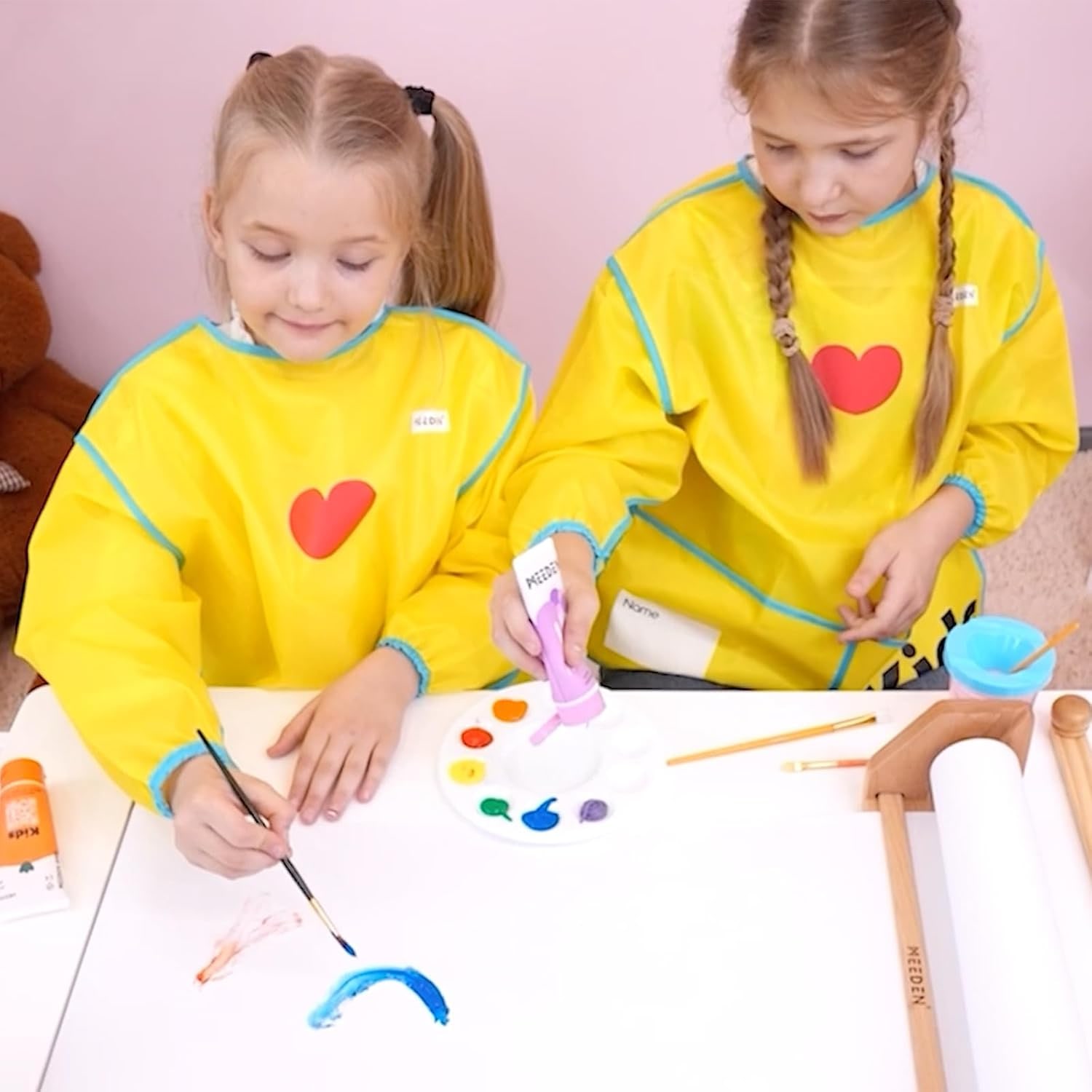
It suits shared drawing. Because the paper comes forward in one continuous length rather than discrete sheets, two children can work on the same long picture. That is a different kind of play to two kids with two pads, and often a calmer one.
It also suits classrooms, after-school clubs and art studios where the table has to serve several purposes in a day. A best tabletop paper roll holder gets wheeled out, used, and put away again without anybody rearranging the furniture.
What it does not suit is a child who wants to stand and paint at full arm height. At 10.2 cm tall, this is a table accessory. If you want standing easel work, you want a different format entirely.
What to look at when you are choosing
The timber. Beech is a close-grained hardwood. It sands smooth, it does not dent as easily as soft pine, and on a slim frame like this one it holds its shape. The finish here is natural rather than painted, so the grain shows. If you have ever picked up a child's wooden item and felt a splinter catch, you will understand why the smooth, polished surface on this one is worth paying attention to.
The footprint. Measure your table before you order. Thirty-five point eight centimetres sounds small on paper and is small in practice, but kitchen benches lose space to toasters and fruit bowls faster than anyone expects. Mark it out with a ruler if you are unsure.
Assembly. This one needs none, which is the difference between using it the day it arrives and leaving it in the box until a free Saturday. If you are comparing it against other options, factor in the half hour you will spend with an Allen key on a flat-pack version.
Roll compatibility. The roll width this shaft accepts is not stated by the maker, so if you already have rolls at home, check the shaft length when it arrives before buying a multi-pack. Most standard drawing rolls are a comfortable fit for a frame this size, but measuring beats assuming.
Weight. At 2.32 kg it is in a useful middle ground. Heavy enough to stay put when paper is being pulled with some enthusiasm, light enough to carry between the kitchen and the playroom.
Getting good use out of it
Load the roll fully onto the shaft so it sits square. A roll that is pushed on at an angle feeds crooked and tears badly.
Teach the tear early. The trick is to hold the paper flat with one hand near the edge, then pull down and across in one steady movement. Yanking sideways gives you a ragged diagonal and a frustrated child. Two minutes of showing them saves a lot of grief.
Put something under it if your table is precious. Thin roll paper and a fat marker will sometimes let colour through. A placemat, an old towel or a sheet of cardboard solves it completely.
Mix up what goes on the paper. Markers and crayons are the obvious choices. Oil pastels give a different feel. Finger paints work if the paper is heavy enough and you let the sheet dry flat before anyone rolls it. The best paper roll easel for kids is the one that does not get stuck doing the same activity every time.
Long formats are where roll paper shines. Maps, trains, parades, a road that goes on for a metre and a half. These are drawings a sketchpad cannot hold, and they are usually the ones that end up on the wall.
Looking after it
Beech is tough but it is still timber. Wipe it with a dry cloth, or one that is only just damp, and dry it immediately. Do not soak it, do not put it anywhere near a dishwasher and do not leave it sitting in a puddle of paint water.
Keep it out of long hours of direct sun. Bare wood in a hot window will dry out and can warp over a season. The same goes for a damp laundry or an unheated garage in winter.
Check the shaft now and then for paper scraps or dried glue. A quick clear-out keeps the roll turning freely.
If the surface ever starts to look dry, a light wipe with a food-safe wood oil brings the grain back. It is not necessary, but it is a nice ten-minute job if you like keeping wooden things looking good.
The short version
This is a small beech wood easel that holds a roll of paper on your table so a child always has something blank to draw on. It is 35.8 cm wide, 10.9 cm deep, 10.2 cm high, weighs 2.32 kg, and needs no assembly.
It is a good fit if your child draws constantly, if space is tight, or if you want two kids working on the same picture instead of two separate ones. It is not the right choice if you want a full-height standing easel.
Measure your table, check the roll you intend to use against the shaft when it arrives, show the child how to tear properly, and this becomes the piece of art kit that actually gets used. That is a better outcome than most craft purchases manage.